
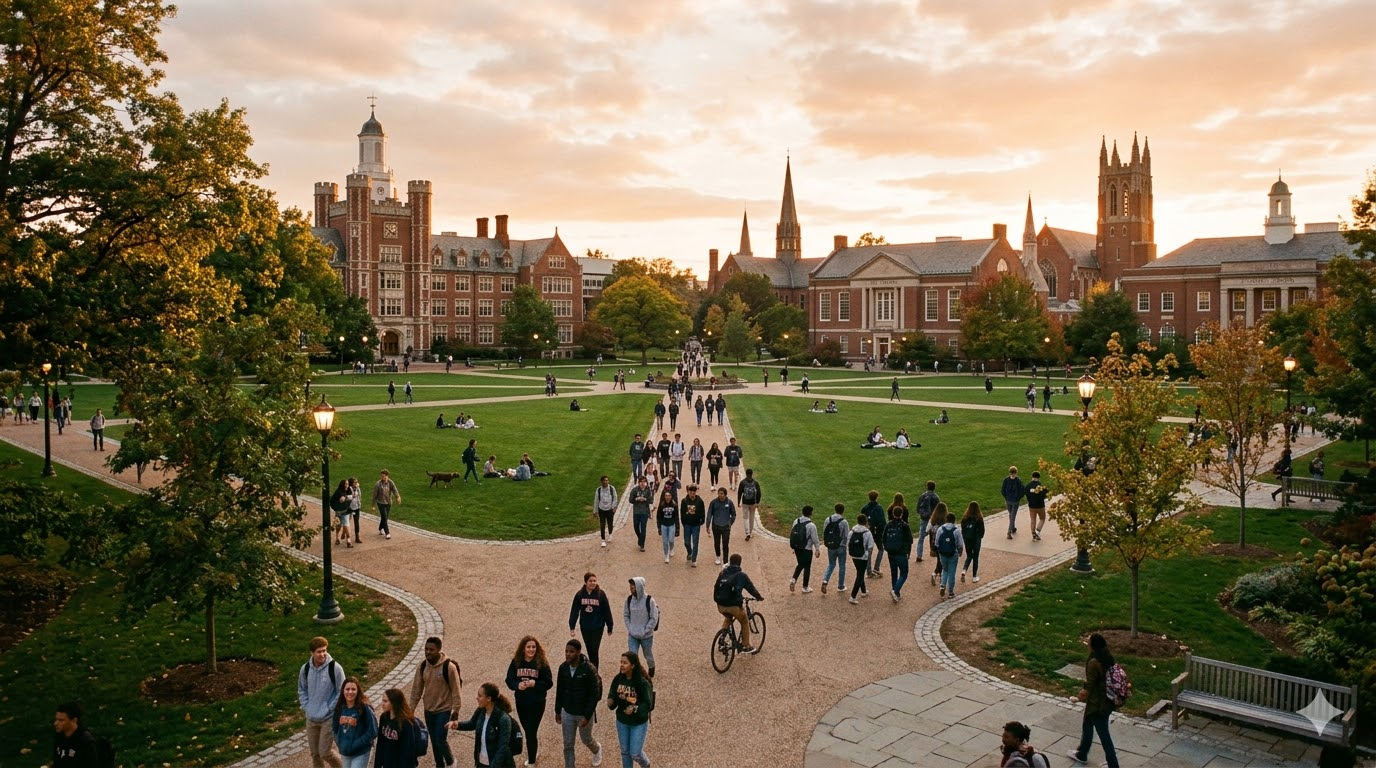
The US Isn't Just a Destination. It's a Decision That Changes Everything.
For a Bangladeshi student, choosing to study in America is one of the boldest, most life-defining moves you can make. This page tells you everything - read it once and you'll know exactly what studying in the US looks like, costs, and requires.
Why Choose the USA
Why do so many Bangladeshi students choose America over everywhere else?
Simple. No other country gives you this combination at once.
Universities That the World Respects
16 of the top 50 universities in the entire world are in the United States. When your degree says an American university, employers everywhere already know what that means.
Jobs That Actually Exist
Silicon Valley gets all the attention, but the US is also home to the highest number of Fortune 500 companies on earth. Whatever your field tech, finance, healthcare, business the opportunities are real.
Scholarships That Actually Cover Costs
No country offers more scholarships, assistantships, and financial aid to international students than the US. You just need to know where to look and how to apply.
A Campus That Looks Like the World
Over 1 million international students study in the US every year. You won't feel like an outsider. You'll feel like part of a community that genuinely came from everywhere.
Research That's Actually Cutting-Edge
US universities don't just teach you existing knowledge they're actively creating new ones. If you want to work alongside faculty leading their fields globally, America is where that happens.
Study What You Want, How You Want
The US system is uniquely flexible. You can switch majors, combine disciplines, and build a degree that fits your goals not a rigid template someone else designed.
Programs & Duration
What can you study and for how long?
US universities offer programs at every level. Here's a straightforward breakdown so you know what you're signing up for before you apply.
Associate
Students who want an affordable entry point and plan to transfer to a 4-year university
Bachelor’s
Those building their first degree and want the full university experience, network, and credential
Master’s / MBA
Working professionals ready to accelerate their career and reposition themselves in the job market
PhD / Doctorate
Researchers and academics pushing boundaries many programs come fully funded with stipends
Good to know: After graduation, all students are eligible for up to 12 months of work authorization through OPT. STEM graduates get an additional 24 months, giving you up to 3 full years to work in the US after your degree.
Intake Windows
When can you start?
Unlike many countries with one annual intake, US universities give you three entry points every year. Miss one, and you're not waiting a full year — just a few months.
Fall Intake
August / September
The most popular intake. Most programs, most scholarship opportunities, most campus life.
Spring Intake
January / February
A solid second option, especially if you need a few extra months to prepare your documents or test scores.
Summer Intake
May / June
Available at select universities. Great for students who want to get started quickly.
Plan ahead: Start your preparation 8–9 months before your intended intake. That's not a suggestion — it's a necessity if you want to give your application the time it deserves.
Costs & Finances
Let's talk about money.
Cost is the question everyone has and nobody wants to ask out loud. So let's just put it all on the table.
Tuition Fees
Most Bangladeshi students land in the $15,000–$25,000 range per year with the right university selection.
Public state universities are significantly more affordable than private institutions, without sacrificing quality.
Living Expenses
Smaller university towns can cost half as much as major cities like New York or San Francisco.
Rent, food, transport, and utilities. City choice is the single biggest lever for controlling your annual spend.
Scholarships & Aid
The right application to the right university can cut your total cost dramatically.
Merit scholarships, need-based aid, graduate assistantships, and research funding are all available. Most students don't apply for what they actually qualify for.
Use our free Study Abroad Cost Calculator to get a personalised estimate based on your destination city, program, and lifestyle. No guesswork.
Get My EstimateOur University Network
200+ partner universities. Every budget. Every goal.
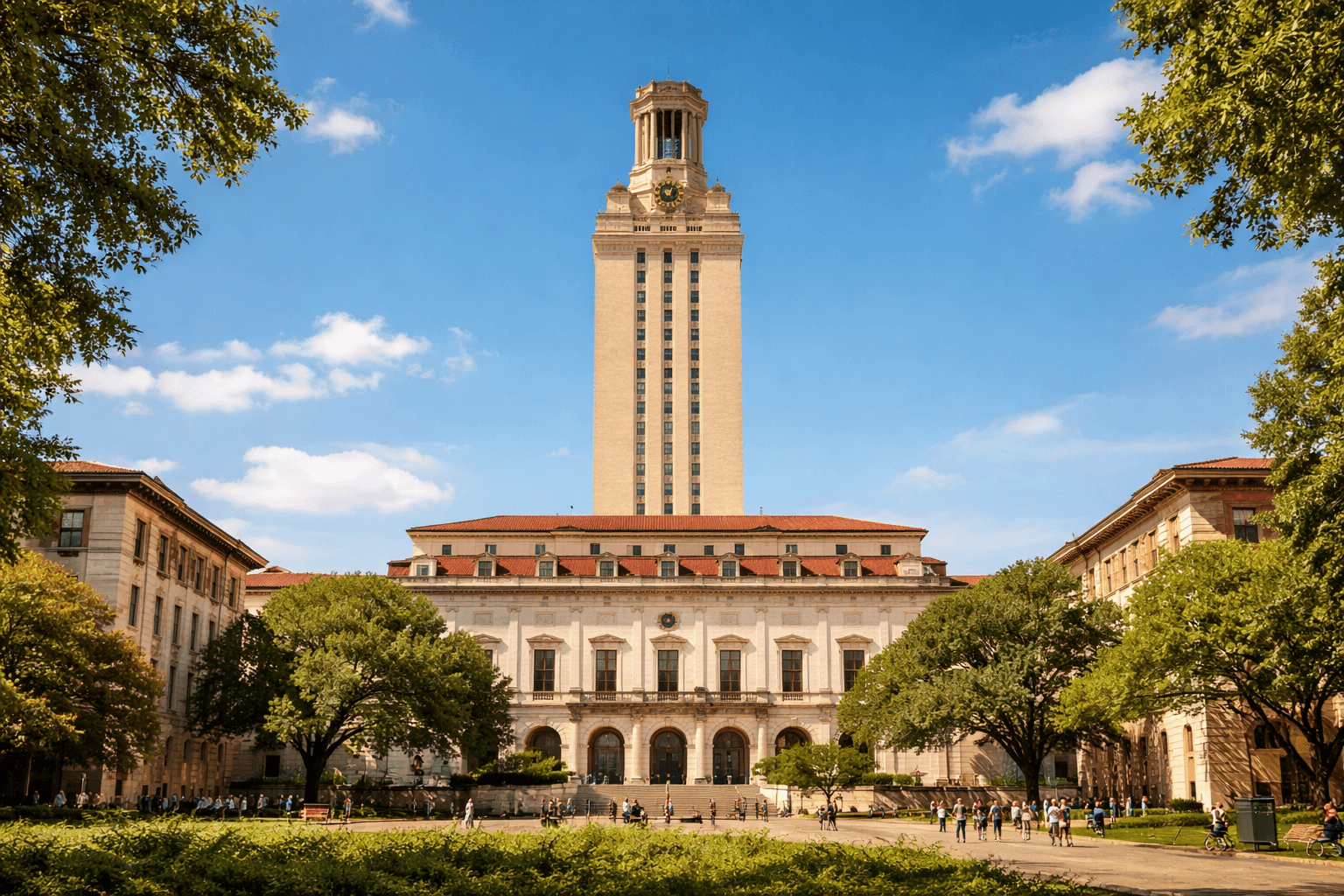 Research University
University of Texas, Austin
Austin, TX
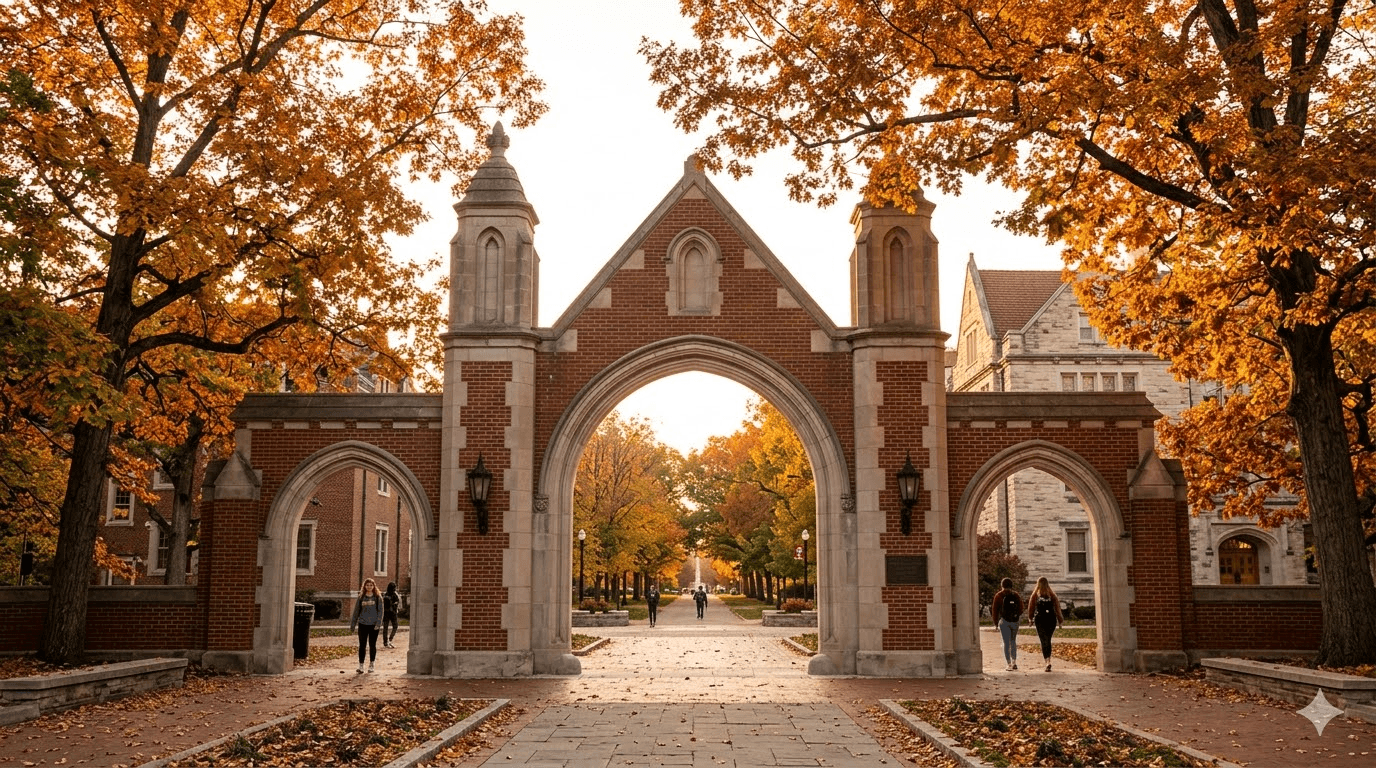 Business Powerhouse
Indiana University, Bloomington
Bloomington, IN
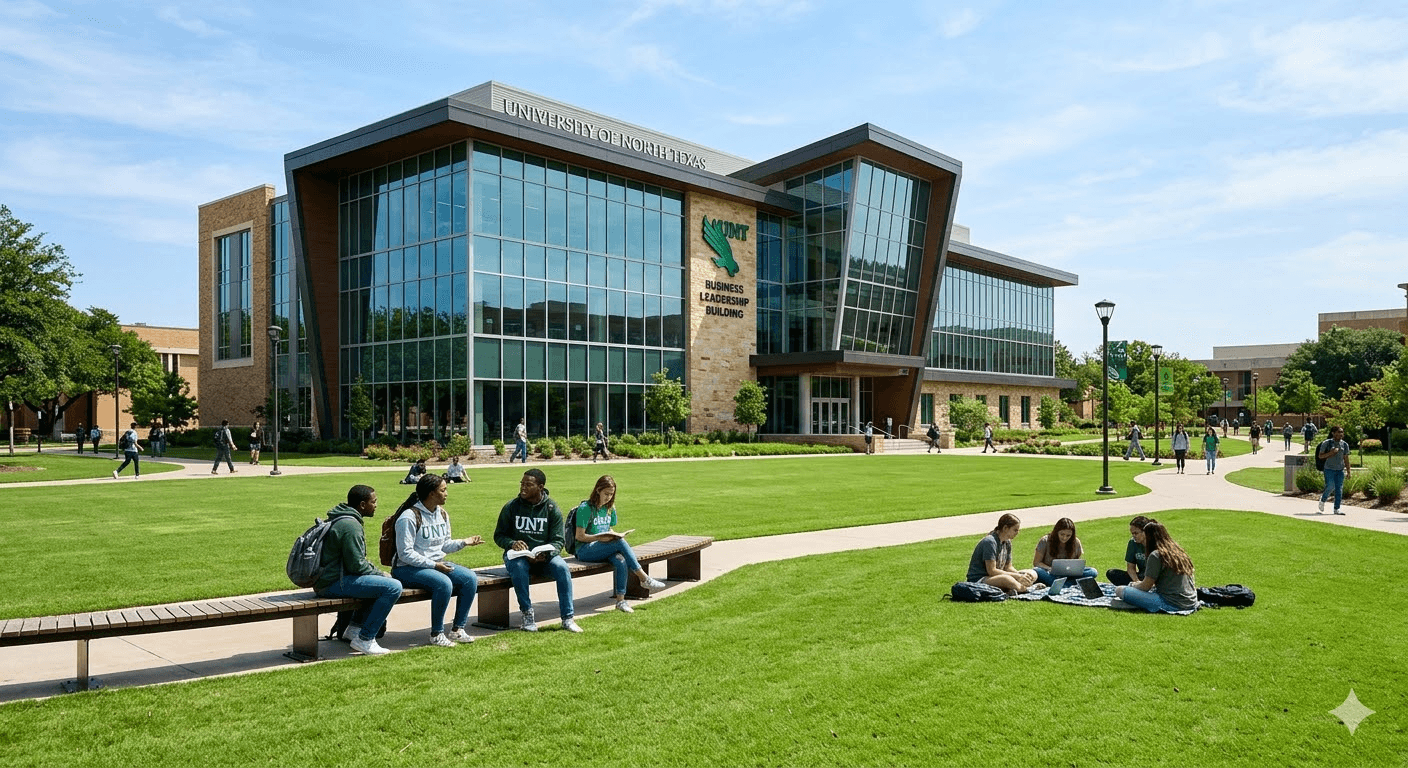 Affordable Excellence
University of North Texas
Denton, TX
Admission Requirements
What do US universities actually look for?
Getting into a US university isn't just about grades. It's about presenting yourself — your academics, your story, and your goals — as a complete picture. Here's what most universities will ask for:
Academic Transcripts
Your grade history from previous institutions, officially translated and attested.
Standardized Test Scores
SAT or ACT for undergrad. GRE or GMAT for postgraduate programs. Not all universities require these but many still do.
English Proficiency
IELTS, TOEFL, or PTE Academic. Most Master’s programs require an IELTS of 6.0–6.5 or above.
Statement of Purpose (SOP)
The most important document in your application. This is where you tell your story: why this university, why this program, why now.
Letters of Recommendation
Usually two or three, from academic supervisors or professional managers who can speak to your ability and character.
Proof of Finances
A six-month bank statement showing you can support your studies. This is critical for both admission and the visa.
Work While You Study
Can you work while studying in the US?
Yes — and it's more structured than most people realize. Here's exactly what's allowed.
Our Commitment
DGS guides every student through CPT eligibility, OPT application, and work authorization, so you don't leave the US empty-handed after your degree.
On-Campus Work
As an F-1 student, you can work up to 20 hours per week on campus during the semester and full-time during academic breaks. This is the easiest and most common starting point.
CPT — Curricular Practical Training
CPT allows you to work or intern in a role directly related to your major while you’re still studying. It’s legal, it’s structured, and it builds your US work history from day one.
OPT — Optional Practical Training
After graduation, OPT gives you 12 months of full work authorization in the US. STEM graduates get an additional 24 months on top of that — a total of 3 years to work, earn, and build your career on American soil.
F-1 Student Visa
Your US Student Visa: what you'll need.
The F-1 student visa is what makes everything official. Here's exactly what goes into your application — and how we make sure every document is perfectly in order.
We Handle It With You
DGS prepares every single one of these documents with you. You don't walk into the embassy unprepared. You walk in ready.
100% visa preparation support · Embassy-ready documentation
Student Stories
Bangladeshis thriving in the USA.
EduBridge handled everything — my SOP, visa prep, even accommodation. I landed at JFK with zero stress.
I got a 60% merit scholarship at Indiana. My consultant knew exactly which universities to target for my profile.
The visa mock interviews saved me. After three sessions with my advisor I walked into the embassy completely calm.